

contemporary bathroom mirrors
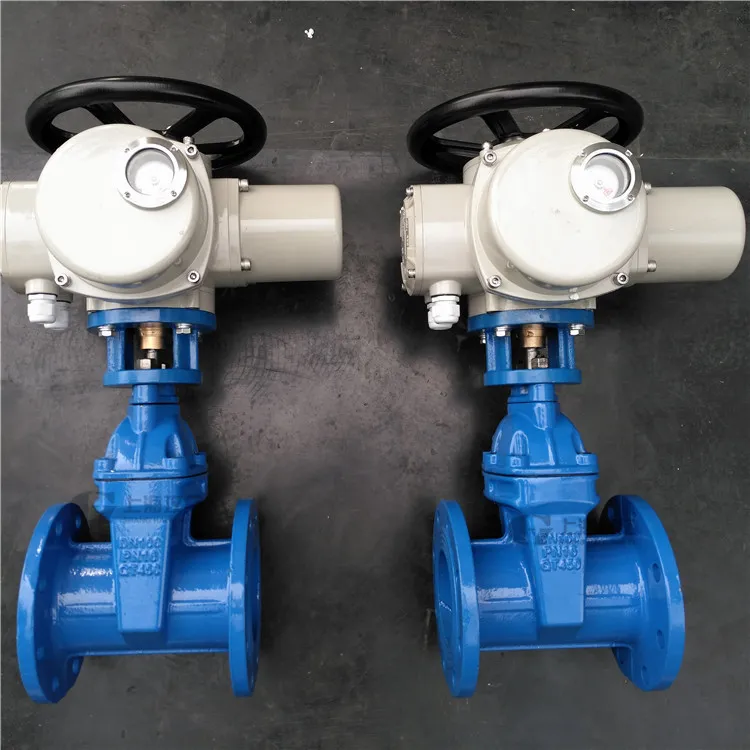
A knife gate valve is a type of valve that is specifically designed for handling slurry, powders, and other viscous materials. The valve features a sharp-edged gate that can cut through materials as it closes, making it ideal for applications where solid particles may be present in the flow. A 10% 20-inch knife gate valve, as the name suggests, is a valve with a 10% manual operator and a 20-inch size. This type of valve is commonly used in industries such as mining, wastewater treatment, and pulp and paper, where large quantities of material need to be controlled and regulated. The construction of a 10% 20-inch knife gate valve typically consists of a stainless steel or carbon steel body, a resilient seat for tight shut-off, and a gate made of stainless steel or other high-strength material. The valve operates by lifting and lowering the gate to allow or block the flow of material through the system. One of the key benefits of using a knife gate valve is its ability to handle high-viscosity fluids and materials with ease. The sharp-edged gate ensures a tight seal when closed, preventing leakage and ensuring efficient operation of the system The sharp-edged gate ensures a tight seal when closed, preventing leakage and ensuring efficient operation of the system The sharp-edged gate ensures a tight seal when closed, preventing leakage and ensuring efficient operation of the system The sharp-edged gate ensures a tight seal when closed, preventing leakage and ensuring efficient operation of the system 10 inch knife gate valve . Additionally, the valve is designed to be easily maintainable, with quick access to the inner components for repairs or replacement. In applications where abrasive or corrosive materials are present, a 10% 20-inch knife gate valve is an ideal choice due to its durable construction and reliable performance. The valve is capable of withstanding harsh operating conditions and maintaining its functionality over extended periods of use. Overall, a 10% 20-inch knife gate valve is a versatile and efficient solution for controlling the flow of materials in industrial processes. Its robust design, reliable performance, and ease of maintenance make it a popular choice for a wide range of applications. Whether used in mining, wastewater treatment, or pulp and paper industries, this type of valve can offer efficient and reliable operation for years to come.
about
contemporary bathroom mirrors
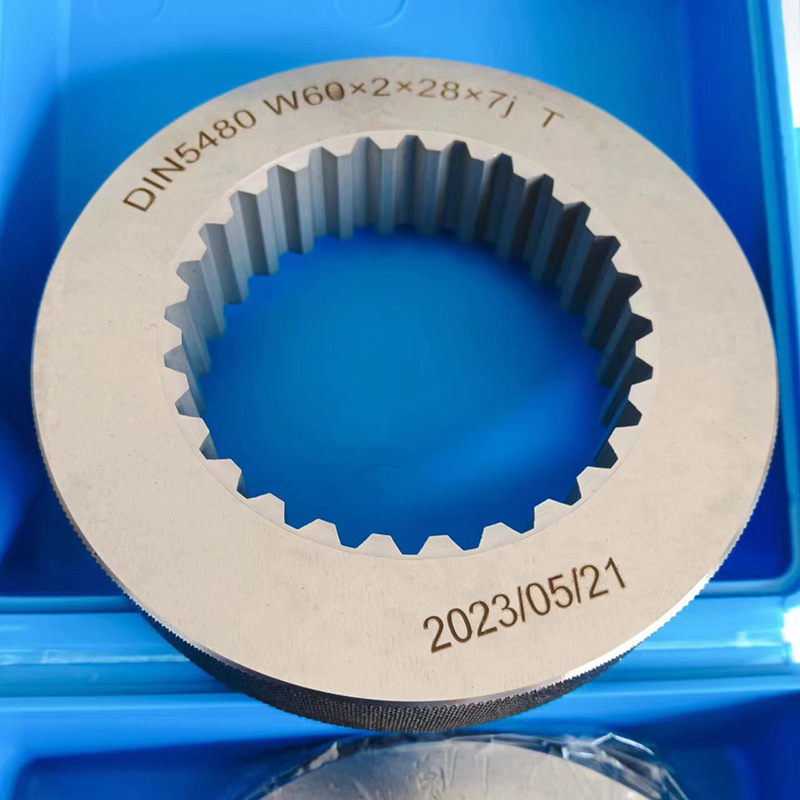
Understanding the Go/No-Go Gauge An Essential Tool in Quality Control In manufacturing and engineering, precision is paramount. One of the critical tools used to ensure that parts and components meet specified dimensions and tolerances is the Go/No-Go gauge. This simple yet effective tool plays a significant role in quality control, helping to prevent defective products from reaching the market. In this article, we will delve into the concept, applications, and advantages of Go/No-Go gauges in various industries. What is a Go/No-Go Gauge? A Go/No-Go gauge is a type of measuring tool used to determine whether a workpiece is within specified limits. It typically consists of two components the Go side, which checks whether a part is acceptable, and the No-Go side, which verifies that the part does not exceed a defined limit. If a part passes the Go gauge, it is considered acceptable; if it fails the No-Go gauge, it is deemed unacceptable. This binary system simplifies the inspection process, allowing operators to make quick decisions about production quality. Types of Go/No-Go Gauges Go/No-Go gauges can be categorized into various types based on their design and application 1. Plug Gauges These gauges are cylindrical and are used mainly for measuring the diameter of holes and shafts. A plug gauge has a Go end that should fit into the hole and a No-Go end that should not. 2. Ring Gauges These are used to measure the external diameter of cylindrical parts. Similar to plug gauges, they consist of a Go end that fits over the part and a No-Go end that does not . 3. Snap Gauges This type of gauge uses a spring mechanism to check external dimensions, such as the width of a part. It is efficient for high-volume inspections. 4. Feeler Gauges While not exclusive to the Go/No-Go application, feeler gauges can be configured to gauge gaps and clearances in various assemblies. Applications Across Industries pin go no go gauge Go/No-Go gauges are employed across various sectors, including automotive, aerospace, and manufacturing. In the automotive industry, they are used for inspecting critical components such as engine parts and chassis fittings. In aerospace, these gauges ensure that all parts meet strict safety and performance standards, critical for the integrity of flight operations. Additionally, they are widely used in the electronics industry, where precise assembly of components is necessary to ensure functionality. By using Go/No-Go gauges, manufacturers can quickly identify parts that are out of specification, reducing the likelihood of failures and enhancing product reliability. Advantages of Go/No-Go Gauges 1. Simplicity and Speed The primary advantage of Go/No-Go gauges is their simplicity. Operators can quickly assess whether a part meets specifications without needing complex measurement devices or extensive training. 2. Cost-Effectiveness These gauges are often less expensive than other precision measuring tools. Their durability and reliability add to their cost-effectiveness over time. 3. Immediate Feedback Go/No-Go gauges provide immediate feedback during the manufacturing process. This timely inspection helps in early detection of issues, allowing for quick rectification and minimizing waste. 4. Improved Consistency Using standardized Go/No-Go gauges ensures that all measurements are consistent across different operators and shifts, improving overall quality assurance. 5. Reduction of Variability By establishing fixed criteria for acceptance and rejection, these gauges help to minimize variability in production, leading to higher quality and fewer defects. Conclusion In conclusion, Go/No-Go gauges are an indispensable tool in the realm of quality control. Their simple design, ease of use, and cost-effectiveness make them a preferred choice in various industries where precision is crucial. By employing these gauges, manufacturers can enhance their production processes, ensuring high-quality products and ultimately improving customer satisfaction. As industries continue to evolve, the role of Go/No-Go gauges is expected to remain vital in maintaining and improving product quality standards.
-

High quality industrial productsagement

High quality industrial products
View Details -

Meet the diverse needs of customers

Meet the diverse needs of customers
View Details -

Strict quality control

Strict quality control
View Details -

Top raw materials

Top raw materials
View Details -

Trusted supplier

Trusted supplier
View Details
Our application
news and information
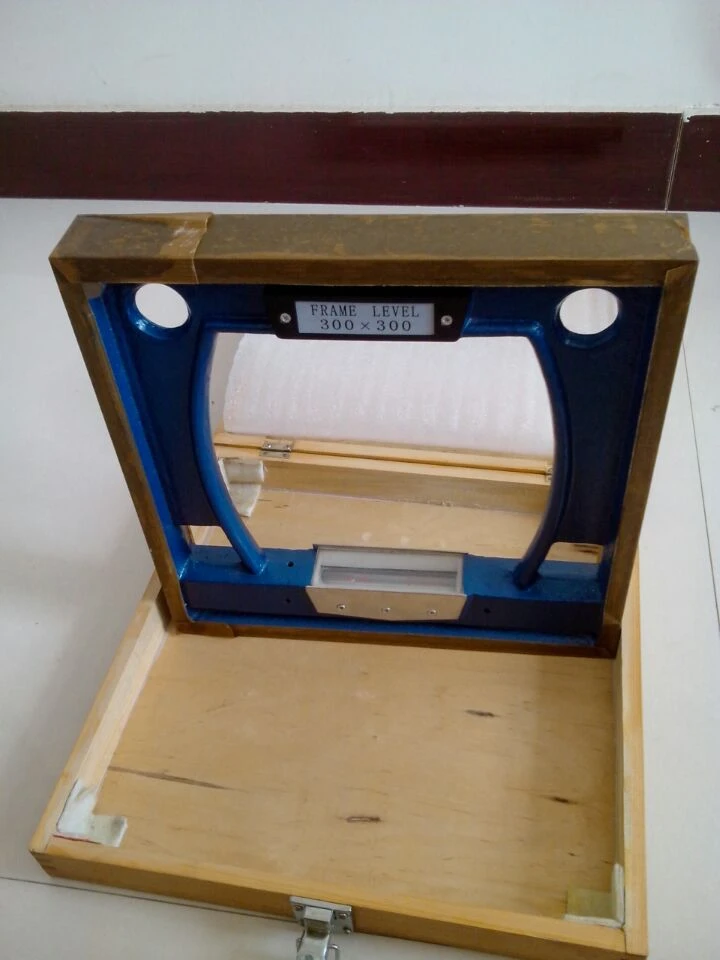
Using a Level Ruler for Accurate Measurements and Alignment in DIY Projects
The Importance of a Spirit Level Ruler in Construction and DIY Projects A spirit level ruler is an i
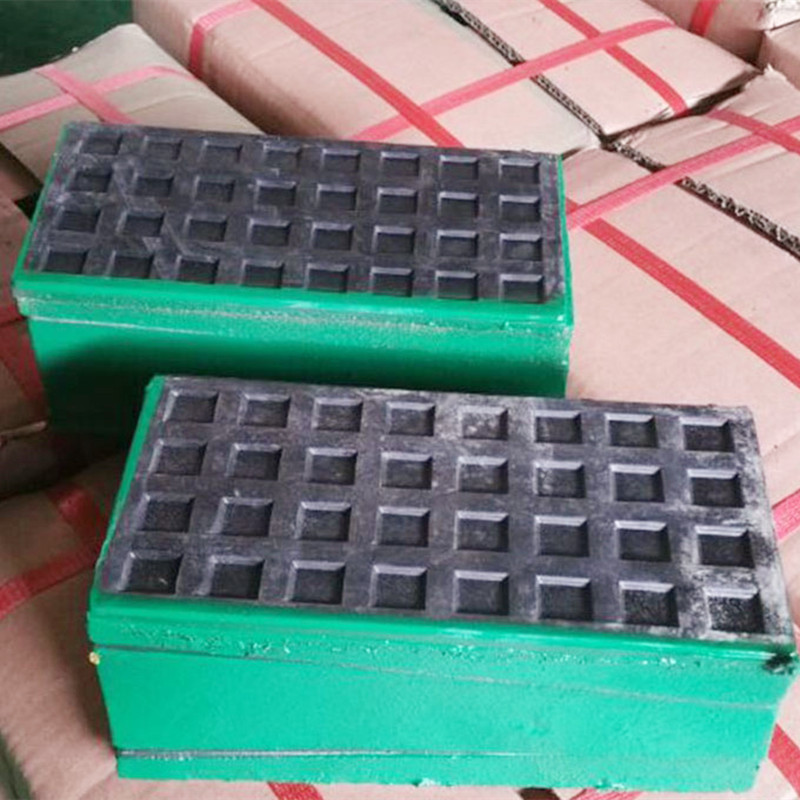
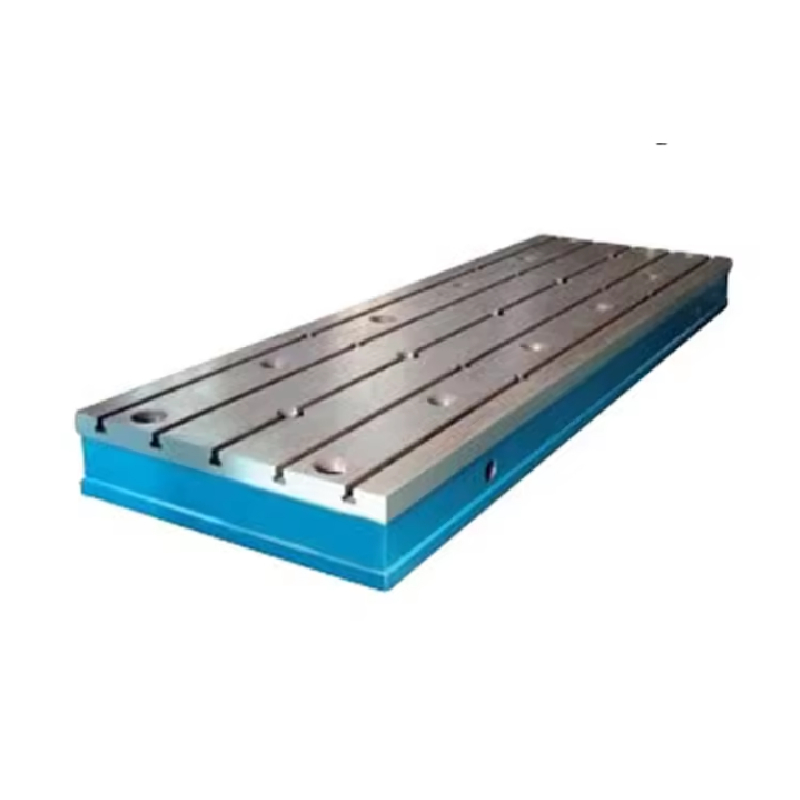
Welding Workbench for 4x8 Projects A Sturdy and Versatile Solution for Fabrication Work
Welding is a crucial process in the manufacturing industry, and having the right equipment is essent
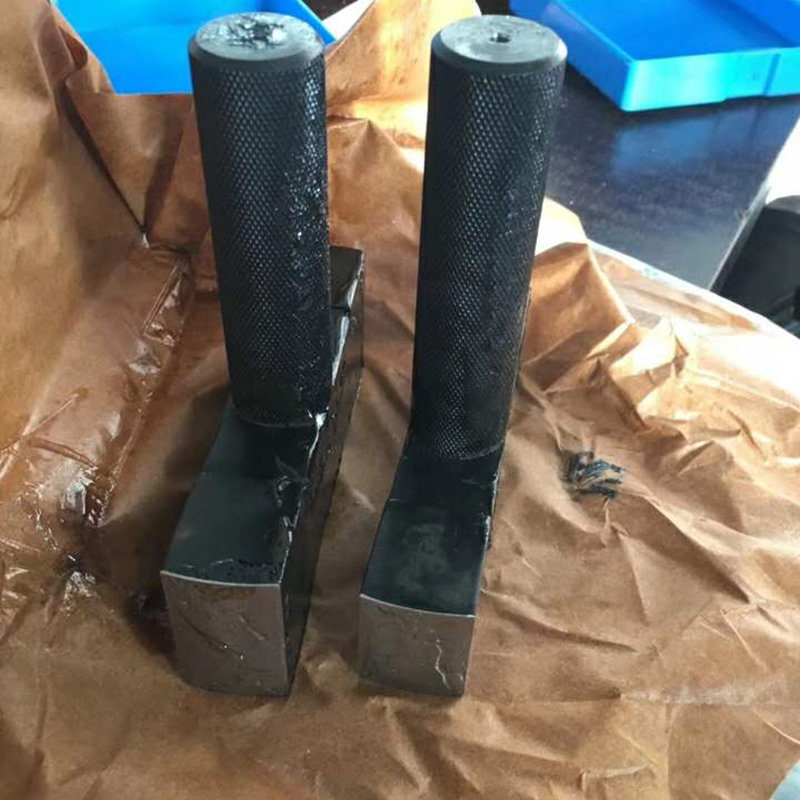
use of parallel ruler
The Use of Parallel Rulers An Essential Tool in Precision Measurement In various fields ranging from
 English